
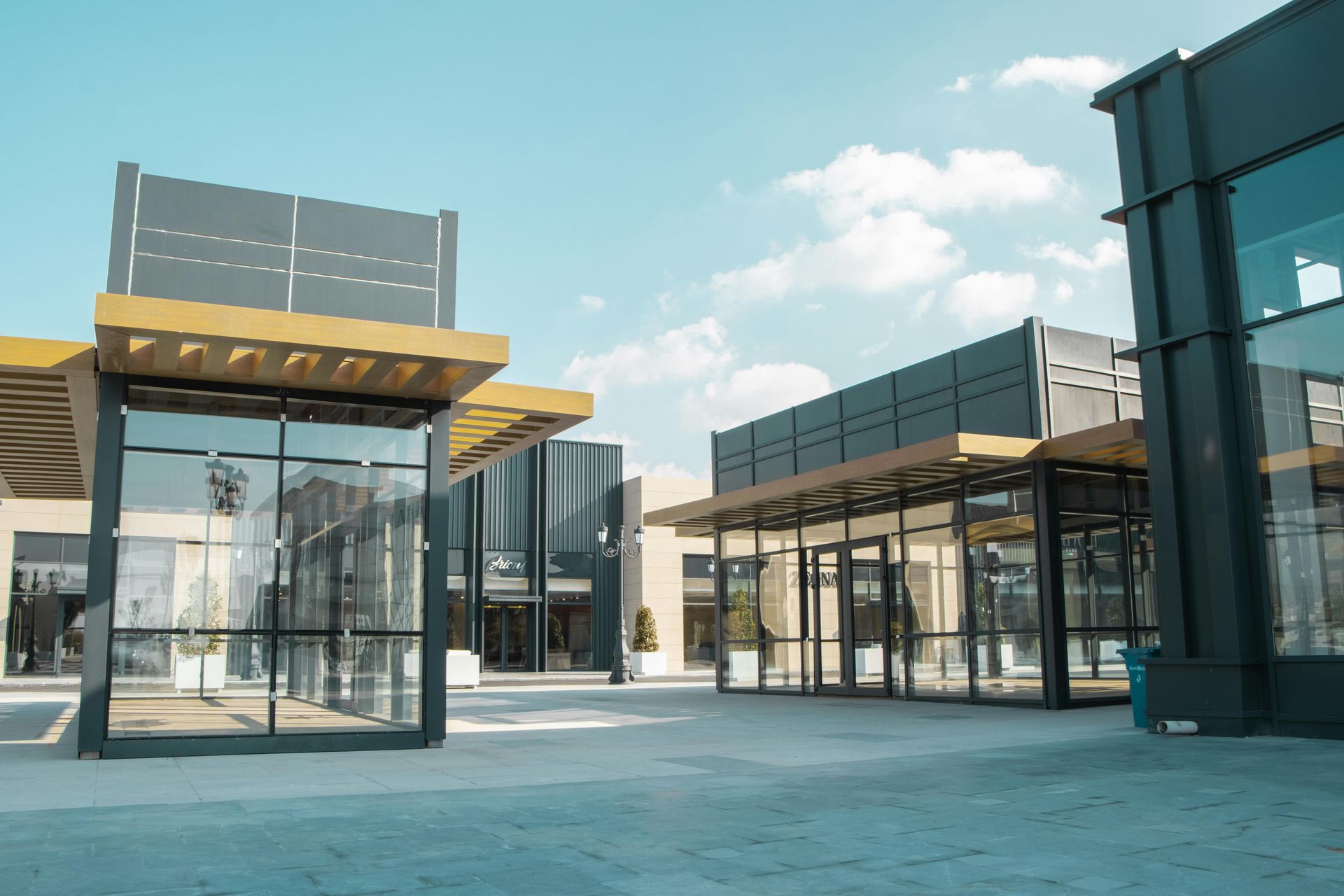
Commercial Spaces Built Around Business Operations
Small Commercial Building Design in Tully, NY for cafes, boutiques, salons, and offices requiring efficient layouts and code-compliant construction plans
Efficient workflow determines counter placement in cafes, treatment room configuration in salons, and customer circulation patterns in retail boutiques. Elliott-Architects creates architectural designs for small commercial buildings that organize operational zones, customer areas, and back-of-house functions within limited square footage. Layout planning begins with understanding daily business activities, peak customer volume, and equipment requirements that dictate spatial relationships between work areas.
Small business operations depend on floor plans that minimize wasted circulation space while maintaining ADA accessibility and building code compliance. Door swing directions, corridor widths, and restroom layouts must meet accessibility standards that apply to commercial occupancies, even in small tenant spaces. Exterior façade improvements integrate branding elements, signage placement, and entry visibility that align with municipal design review requirements common in Tully and surrounding communities.
Arrange an initial consultation to discuss operational needs and site-specific constraints affecting your commercial project.
How Proper Commercial Design Addresses Code Compliance
Construction drawings and permitting assistance include occupancy load calculations, exiting requirements based on building use, and fire-rated assembly details when tenant spaces share walls with adjacent occupancies. Electrical panel sizing, plumbing fixture counts, and ventilation rates vary by business type, with food service establishments requiring grease interceptors and higher air exchange rates than office or retail uses. Renovation and tenant build-out design services address existing conditions, identifying which walls are structural and where mechanical systems can be rerouted without conflicting with ceiling heights or structural members.
Once construction completes, business owners notice customer flow that reduces bottlenecks during busy periods, work areas positioned to minimize staff movement between tasks, and service counters located for visibility from entry points. ADA-compliant restrooms and accessible routes function without compromising overall layout efficiency. Exterior branding integration provides street presence that distinguishes the business while respecting local design standards.
Permit-ready plans streamline municipal review by including all required details in initial submissions, reducing revision cycles that delay construction start dates. Coordination with contractors and consultants during the design phase prevents conflicts between architectural layouts and mechanical or structural systems discovered during construction.
Common Questions About This Service
Business owners typically ask about timeline expectations, cost factors, and what distinguishes renovation projects from ground-up construction before proceeding with design services.
What building codes apply differently to commercial projects than residential work?
Commercial buildings follow occupancy classifications that dictate exiting requirements, fire separation, accessibility standards, and ventilation rates based on business type, whereas residential codes focus primarily on life safety and structural adequacy.
How does tenant build-out design differ from new construction?
Tenant improvements work within existing structural and mechanical systems, requiring coordination with building owners, assessment of what can be modified, and creative solutions when ideal layouts conflict with immovable building elements.
When do façade improvements require municipal design review?
Many communities in Western New York have design review boards that evaluate exterior changes in commercial districts or historic areas, adding a review step beyond standard building permits.
Why do small commercial projects need detailed construction drawings?
Contractors bid more accurately and building departments approve permits faster when plans include dimensioned layouts, material specifications, and construction details that eliminate ambiguity about design intent.
What factors most affect project approval timelines in Tully?
Completeness of initial permit applications, whether the project requires zoning variances or site plan approval, and current municipal review workload influence how quickly projects receive construction authorization.
Elliott-Architects prepares construction documentation and assists with permit procurement for small commercial projects throughout Western New York. Contact our office to discuss how architectural design services can support your business development goals and navigate local approval processes.