
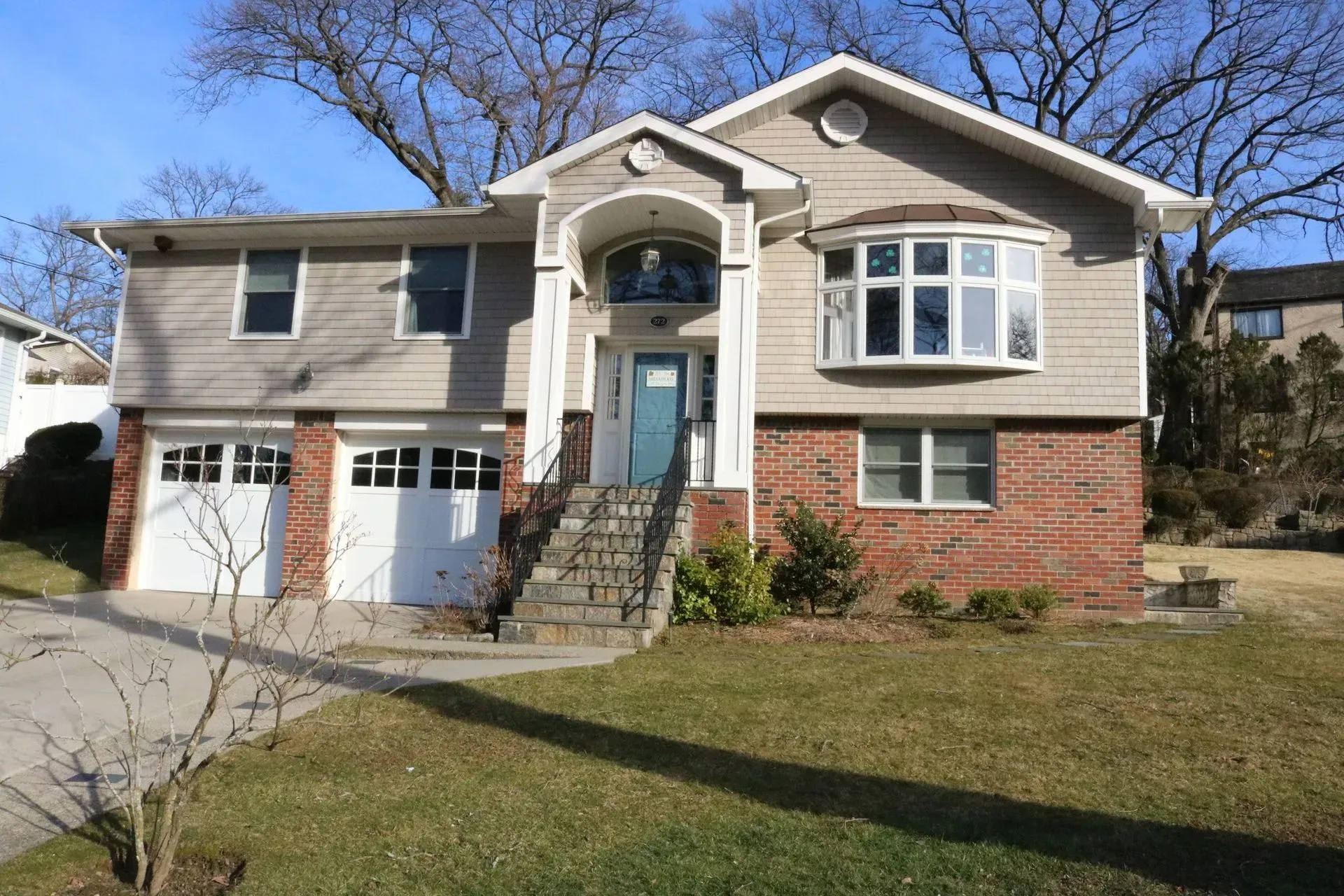
Home Additions & Expansion Design in Tully for homeowners needing more space without relocating to a different property
Adding Space Without Visual Disruption
Home additions that look like afterthoughts reduce property value and create awkward transitions between old and new spaces. Room additions designed by Elliott-Architects in Western New York blend seamlessly with your existing home by matching rooflines, siding profiles, window styles, and trim details so that the expansion reads as original construction rather than a tacked-on appendage. Structural planning ensures that new foundations tie properly into existing footings, that roof framing integrates cleanly with your current structure, and that floor levels align without steps or ramps that disrupt flow and create tripping hazards.
Second-story additions require engineering analysis to verify that your existing foundation and first-floor framing can support added loads, or to specify reinforcements if current structure is undersized—building upward avoids consuming yard space but demands careful assessment of bearing walls, floor joists, and foundation capacity before design progresses. Home expansion planning addresses how new spaces connect functionally to existing rooms, whether that means extending a kitchen into a new dining area, adding a primary suite with direct access from the current bedroom hallway, or creating an in-law suite with separate entry and kitchenette for multi-generational living.
Arrange an evaluation to assess your existing structure and discuss how different expansion options affect both functionality and construction complexity.
What Proper Addition Design Requires
Sunroom, garage, and in-law suite design services each involve distinct structural and code considerations—sunrooms need foundation frost protection and insulated glazing suited to Western New York winters, garages require frost-protected slab or foundation walls and proper separation from living spaces per fire code, and in-law suites must include egress windows, smoke detectors, and sometimes separate HVAC zones depending on layout and occupancy. Permit preparation includes documenting compliance with setback requirements, lot coverage limits, and zoning restrictions that govern how large additions can be and how close they can sit to property lines.
Once construction is complete, you notice improved functionality in daily routines—morning congestion disappears when a second bathroom serves kids getting ready for school, entertaining becomes easier when living areas aren't cramped, and aging parents maintain independence when an in-law suite provides private space with accessible features. Detailed construction plans guide contractors through foundation work, framing tie-ins, roof transitions, and finish details, reducing the chance of mismatched materials or awkward connections that signal the space as an addition rather than original design.
Additions often increase property value by adding square footage and improving layout functionality, but return on investment depends on the quality of design integration and construction execution—poorly planned expansions that disrupt curb appeal or create odd interior transitions can actually detract from resale value despite adding space.
Answers to Frequent Addition Design Questions
Homeowners considering additions typically want to understand structural feasibility, permitting, and how design decisions affect both construction budgets and long-term home value.
How do you determine if my existing foundation can support a second-story addition?
Structural evaluation involves examining foundation width and depth, checking first-floor framing for adequate bearing capacity, and reviewing soil conditions—if existing structure is undersized, reinforcements like supplemental footings, steel beams, or additional posts can be incorporated into the design to distribute new loads safely.
What's involved in matching new construction to my existing home?
Matching requires sourcing materials that align with your current siding, roofing, and trim profiles, detailing transitions where old and new meet, and replicating architectural elements like eave overhangs, window proportions, and corner treatments so the addition reads as cohesive rather than visually distinct.
Do I need permits for all types of home additions in Tully?
Most additions that involve foundation work, structural changes, or increased building footprint require building permits, and some trigger zoning review if they affect setbacks or lot coverage—permit preparation includes submitting site plans, foundation details, and construction drawings that demonstrate code compliance.
How does adding space affect my home's heating and cooling systems?
Expansions increase the load on existing HVAC equipment, and in many cases require either upgrading to larger capacity systems or adding separate zones with dedicated equipment—Elliott-Architects coordinates with mechanical contractors to evaluate whether current systems can handle added square footage or if upgrades are necessary.
Can an in-law suite be designed for future use as regular living space?
In-law suites designed with standard ceiling heights, full kitchens, and layouts that work as primary suites or family rooms offer flexibility if aging parents no longer occupy the space—avoid overly specialized layouts that limit future function to a single use case.
Elliott-Architects creates home addition designs throughout Western New York that integrate cleanly with existing structures and meet all permit and code requirements. Request a consultation to review your property conditions and discuss expansion options suited to your space needs and budget parameters.