
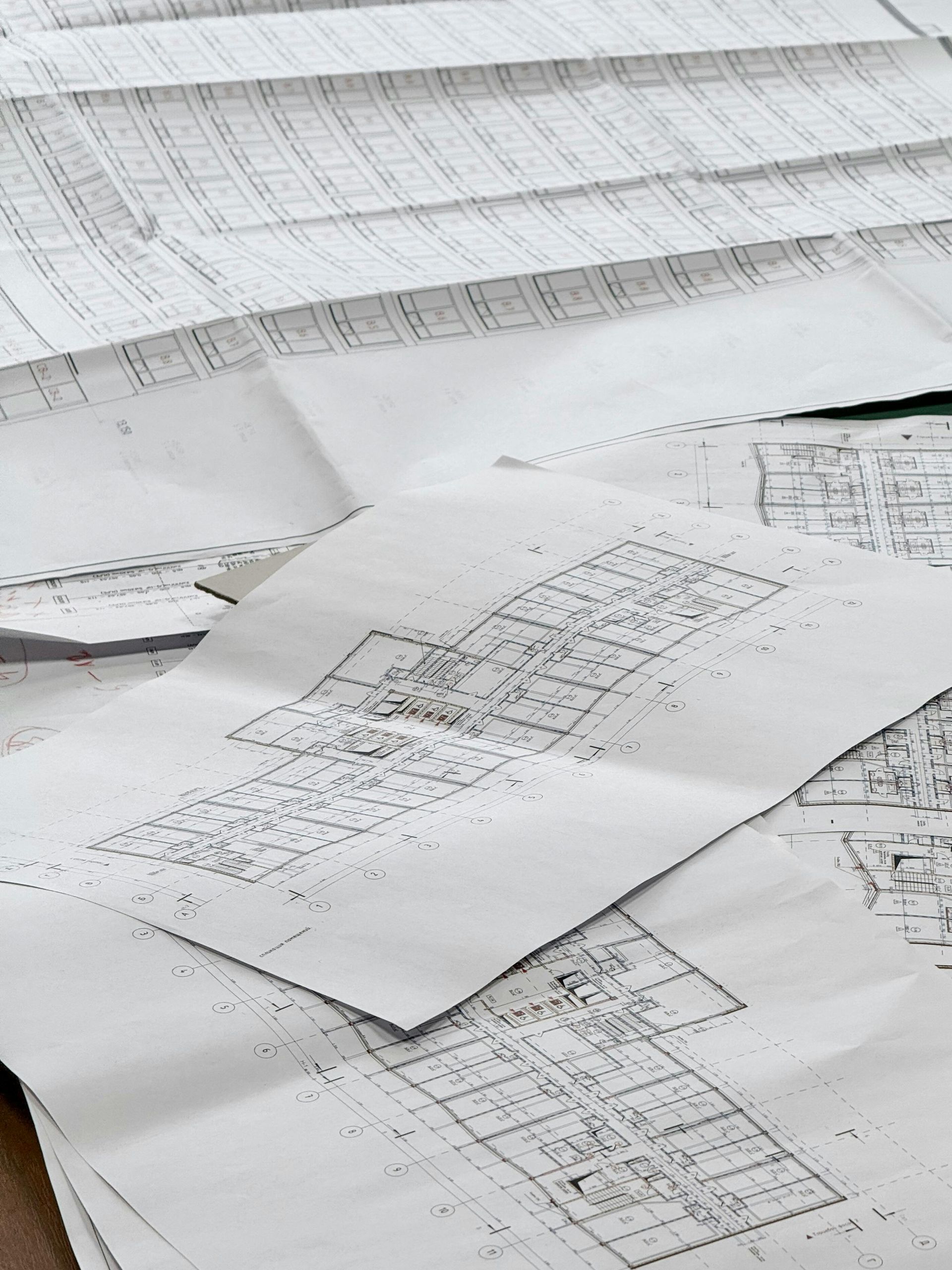
Construction Documentation That Eliminates Ambiguity
Architectural Drafting & Construction Plans in Tully, NY for residential and commercial projects requiring permit-ready drawings and technical detailing
Contractors make hundreds of decisions during construction based on what appears in floor plans, elevations, and cross-section drawings. Accurate CAD drafting eliminates conflicting dimensions, unclear material callouts, and missing details that cause costly field changes or construction delays. Elliott-Architects produces detailed architectural drafting for projects ranging from single-family additions to commercial tenant build-outs, ensuring that every drawing conveys design intent clearly enough for accurate bidding and construction.
Permit-ready construction documentation includes site plans showing property setbacks and building placement, floor plans with room dimensions and door swing directions, exterior elevations indicating finish materials and height measurements, and building sections that reveal wall assemblies and foundation details. Technical detailing addresses connections between different materials, flashing at roof and wall intersections, and structural support for concentrated loads like kitchen islands or roof overhangs. Collaboration with contractors and consultants during the drafting phase catches conflicts between architectural layouts and mechanical or structural systems before construction begins.
Schedule a project review to determine what level of drawing detail your construction timeline and permitting requirements demand.
What Accurate Construction Plans Actually Accomplish
Floor plans establish room-to-room relationships and circulation patterns, elevations communicate exterior appearance and material transitions, and cross-sections clarify vertical relationships like ceiling heights and foundation depths. Revisions and updates for ongoing projects incorporate field conditions discovered during construction, design changes requested by owners, or modifications required by building inspectors. Each drawing revision is tracked and dated to prevent contractors from working off outdated plans.
Builders work from documents that answer typical construction questions without requiring interpretation or assumption, reducing the number of mid-project clarifications that slow progress. Material quantities can be estimated accurately for procurement, subcontractors understand scope boundaries for their portions of work, and building inspectors verify code compliance without requesting additional information. Projects proceed with fewer change orders related to incomplete or ambiguous documentation.
Construction plans for residential projects typically include foundation plans, framing plans, and finish schedules, while commercial work adds life safety plans, accessibility compliance details, and sometimes interior finish plans when tenant improvements involve multiple material transitions or custom millwork. The drawing set scope depends on project complexity and what municipal building departments require for permit issuance in Tully and surrounding jurisdictions.
Answers to Frequent Service Questions
Property owners and contractors often need clarification about drawing deliverables, revision processes, and coordination responsibilities before starting projects.
What information do you need to begin architectural drafting?
Existing conditions require either as-built drawings, site surveys showing property boundaries and existing structures, or field measurements, plus a clear description of project scope and any design preferences affecting layout or materials.
How are drawing revisions handled during construction?
Changes are documented through formal revision clouds and description notes on updated drawings, with revision dates and numbers tracked to ensure all project participants reference current information.
When should structural or MEP consultants be involved?
Projects involving significant structural modifications, complex mechanical systems, or commercial occupancies typically require engineered drawings that coordinate with architectural plans, ideally engaged during design development rather than after architectural drafting is complete.
Why do permit-ready plans include details beyond basic layouts?
Building departments evaluate code compliance through construction details showing wall assemblies, fire-rated separations, moisture barriers, and accessibility features that cannot be adequately conveyed through floor plans alone.
What distinguishes CAD drafting from hand-drawn construction documents?
CAD drawings allow precise dimensioning, easy revision tracking, layered information that can be toggled on or off for clarity, and digital file sharing with contractors and consultants, improving accuracy and coordination compared to manual drafting methods.
Elliott-Architects provides architectural drafting services and construction documentation for builders, property owners, and developers in Western New York. Request a consultation to discuss your project requirements and establish a drafting scope that supports your construction and permitting schedule.