
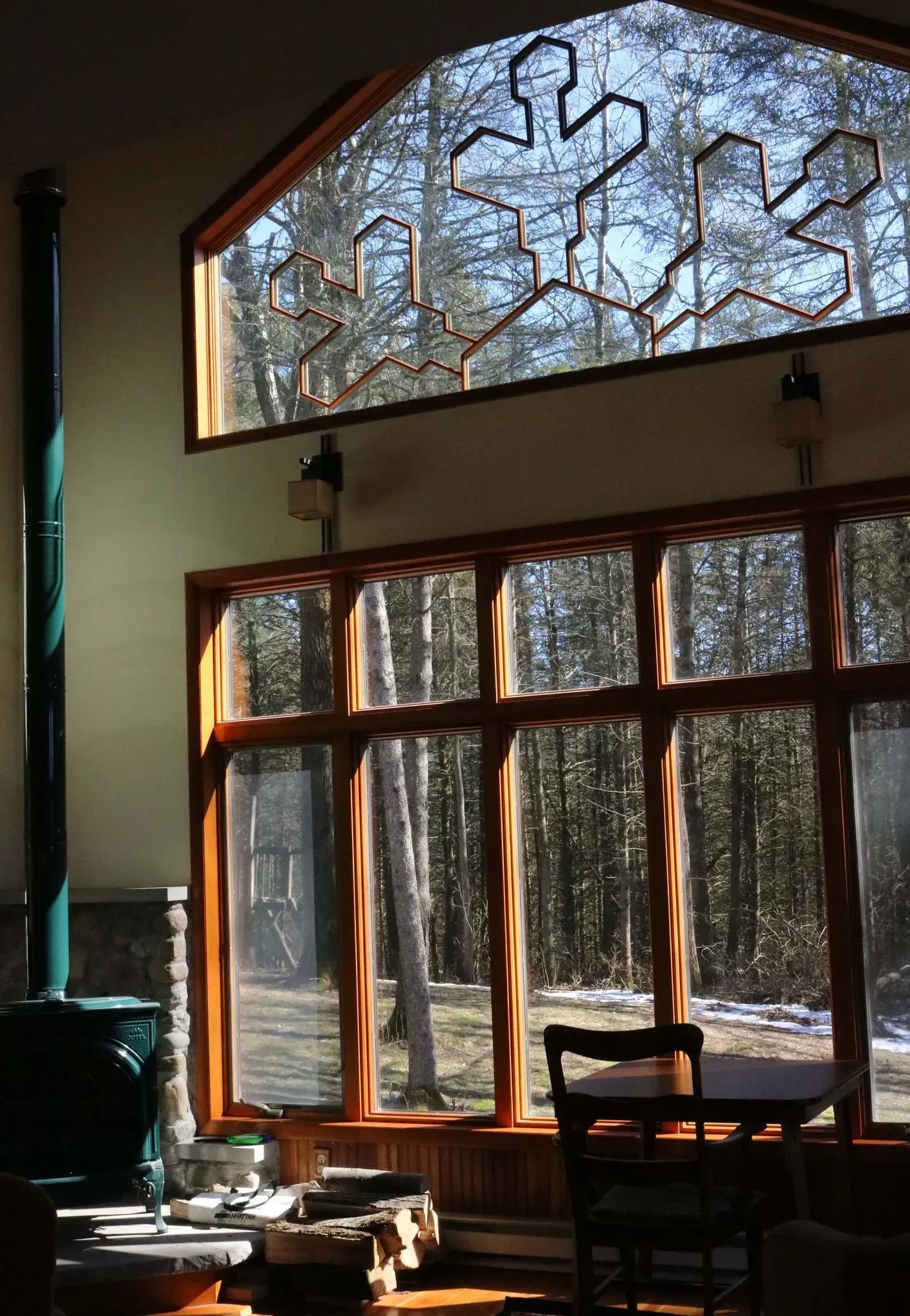
Custom Home Building Design in Tully for families ready to build from the ground up with personalized layouts and architectural detailing
Floor Plans That Match Your Daily Routines
Most production homes force families into layouts designed for average buyers, not for how your household actually moves through the day. Custom home building design starts with understanding your property's contours, solar orientation, and views, then creates personalized home concepts around your vision—whether that means positioning the kitchen to overlook a wooded backyard, separating guest spaces from private family areas, or designing a home office with dedicated entry access. Elliott-Architects develops floor plans in Western New York that respond to site conditions and lifestyle priorities simultaneously, rather than adapting generic templates that ignore both.
Open-concept layouts connect cooking, dining, and living areas while maintaining acoustic separation from bedrooms and home offices, using ceiling height changes, partial walls, or strategic furniture zones instead of traditional corridor-and-door arrangements. Modern living solutions address contemporary needs like mudrooms with dedicated storage, walk-in pantries that reduce kitchen clutter, and multipurpose spaces that function as playrooms, gyms, or guest suites depending on life stage. Exterior elevations and architectural detailing give your home visual character that fits the neighborhood context, whether that means traditional gable forms, contemporary shed roofs, or transitional styles that blend classic proportions with modern materials.
Schedule a design meeting to review your site characteristics and discuss layout priorities before floor plan development begins.
How Design Decisions Shape Construction Outcomes
Kitchen, bathroom, and living space optimization involves more than appliance placement—it requires understanding workflow patterns, storage needs, and how natural light enters rooms at different times of day. Cabinet runs are dimensioned to accommodate specific appliances without filler panels, countertop layouts provide landing zones adjacent to ovens and refrigerators, and bathroom fixtures are positioned to meet code clearances while maximizing usable floor area. These decisions happen during design development, when changes are simple, rather than during construction when modifications require change orders and delay schedules.
3D renderings produced by Elliott-Architects let you visualize the finished home before construction starts, showing how rooms feel in terms of scale and proportion, how exterior materials combine, and how window placements frame specific views. You see ceiling heights, cabinetry configurations, and spatial relationships in ways that floor plans alone cannot convey, which helps finalize design decisions with confidence. Once renderings are approved, construction plans are detailed to specify every framing member, finish material, and fixture location, giving builders the documentation needed to execute your vision accurately.
Design support continues from concept through construction, including answering contractor questions about material selections, reviewing proposed substitutions, and confirming that field conditions match design intent. Some projects include site visits during framing and finish stages to verify that walls, openings, and details are built as drawn, catching errors before they're covered by drywall or trim.
Common Questions About Custom Home Design
Families planning custom homes often wonder how design choices affect budgets, timelines, and long-term livability. These answers explain what the design process involves and how decisions get made.
How much detail do I need to provide about my lifestyle preferences?
The more specific you are about daily routines, storage needs, entertaining habits, and future plans, the better the floor plan can accommodate your actual life—details like whether you cook elaborate meals, work from home regularly, or host overnight guests frequently all influence room sizing, adjacencies, and built-in features.
What's included in a complete set of construction drawings?
Plans include foundation layouts, floor plans, exterior elevations, building sections, roof framing details, electrical and plumbing schematics, interior elevations for kitchens and bathrooms, door and window schedules, and finish specifications—everything a builder needs to price, permit, and construct the home without guessing at design intent.
Can I make changes after seeing the 3D renderings?
Renderings are produced specifically to identify elements that need adjustment before construction documents are finalized, so changes at that stage are expected and manageable—once detailed drawings are complete and permits are submitted, modifications become more complicated and costly.
How does site topography affect design options?
Sloped properties in Tully often allow walkout basements, reducing excavation costs while adding usable living space, but they also require careful grading plans to manage stormwater runoff and prevent foundation moisture issues—flat sites offer simpler construction but may need engineered drainage solutions to direct water away from the structure.
What happens if my builder suggests changes to the plans during construction?
Builders sometimes propose modifications based on material availability, cost savings, or construction preferences, but any changes that affect layout, structure, or design intent should be reviewed by Elliott-Architects to ensure they don't compromise functionality, code compliance, or aesthetic goals.
Elliott-Architects provides custom home building design across Western New York, translating your vision into detailed construction documents that builders can execute accurately. Contact the firm to begin developing a home concept tailored to your property and household needs.