Turn Unused Space Into Functional Living Areas
Garage, Basement & Attic Conversion Design in Tully, NY for homeowners needing additional rooms without expanding their property footprint
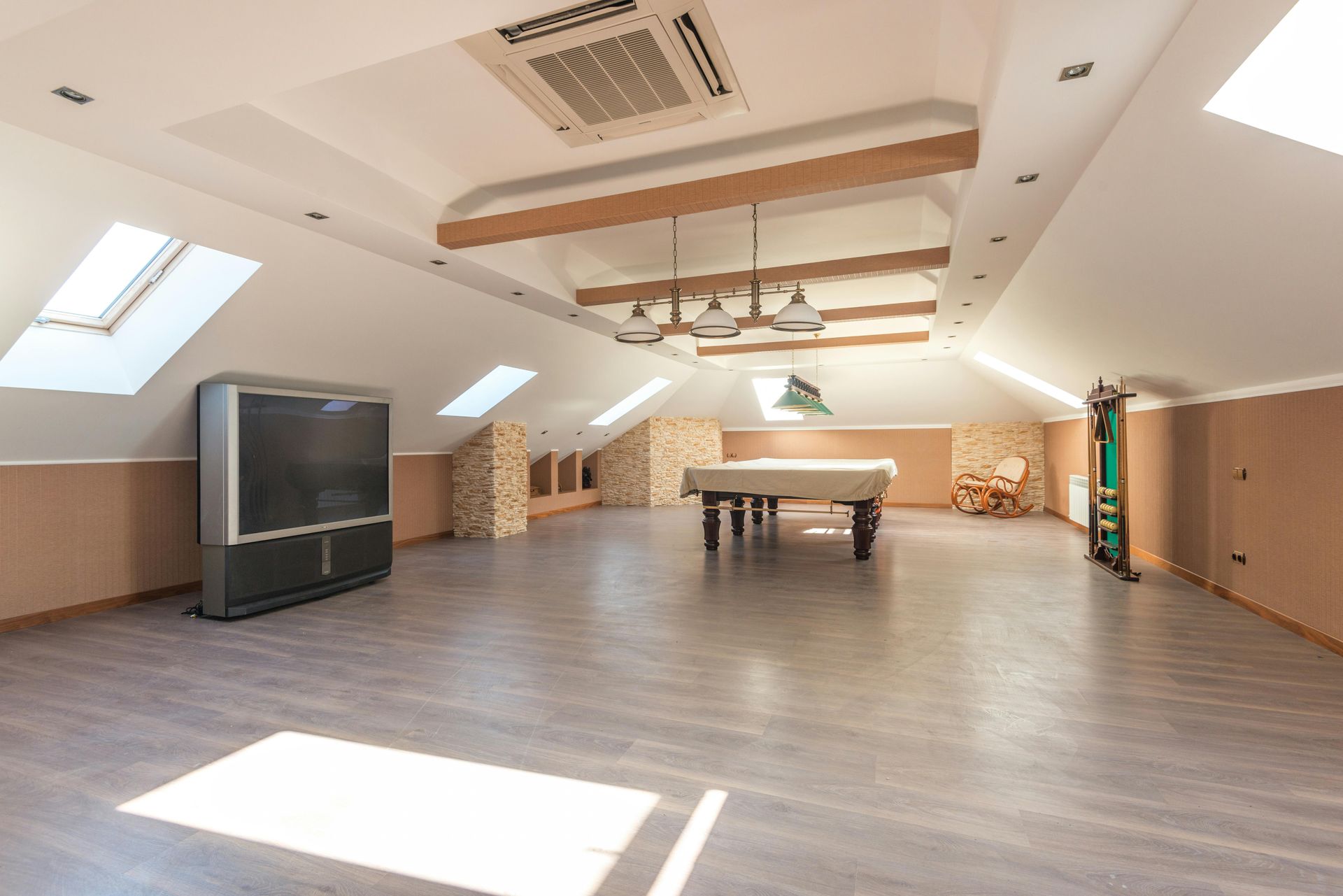
Elliott-Architects prepares garage conversion plans for guest suites or offices, basement finishing layouts that transform underused areas into living spaces, and attic conversion designs for added bedrooms or studios in Tully, NY. Homeowners who need extra square footage but cannot expand outward rely on these conversion services to reimagine existing space. Each project begins with an evaluation of structural conditions, ceiling heights, natural light access, and code requirements specific to converting unfinished or secondary spaces into habitable rooms.
Basement finishing involves addressing moisture control, egress windows for code-compliant bedrooms, and ceiling height limitations that affect room designation. Attic conversions require structural assessment of floor joists, roof pitch angles that determine usable headroom, and dormer or window placement for ventilation and emergency egress. Garage transformations must account for insulation upgrades, HVAC integration, and whether the overhead door opening will be closed permanently or retained for future flexibility.
Request a site evaluation to determine which existing space offers the most practical conversion potential for your household needs.
What Efficient Use of Existing Square Footage Requires
Conversion design prioritizes multi-functional layouts and creative storage solutions that compensate for spaces originally built without living area intentions. Floor plans incorporate built-in shelving, closet configurations that maximize vertical storage, and furniture arrangements that keep pathways clear in rooms with sloped ceilings or irregular footprints. Permit-ready plans include mechanical, electrical, and plumbing details necessary for municipal approval, along with insulation R-values and fire separation requirements when converting attached garages.
After construction, you notice consistent temperature control in formerly drafty areas, functional lighting that eliminates dark corners common in basements, and finish materials that handle humidity levels different from primary living spaces. Bedrooms gain code-compliant egress windows that provide natural light and emergency exit access. Home offices or guest suites function independently with dedicated climate zones and sound separation from main household activity.
Code compliance assistance addresses stair width and railing height for attic access, minimum ceiling height requirements that vary by room type, and electrical panel capacity upgrades when adding circuits for new living areas. Projects that involve removing or relocating load-bearing walls require structural engineering calculations included in the permit documentation.
Questions Before Starting Your Conversion Project
Homeowners in Tully frequently ask about structural feasibility, budget planning, and permit timelines before committing to conversion plans.
What determines whether an attic can support a bedroom conversion?
Floor joist sizing and spacing must handle live load requirements for habitable space, typically requiring reinforcement when attics were originally framed only for storage loads and roof support.
How does basement ceiling height affect what rooms you can include?
New York State code requires minimum finished ceiling heights of seven feet for most living areas, with exceptions for bathrooms and portions of rooms with sloped ceilings, which limits layout options in basements with low overhead clearance.
When should you keep a garage door functional during conversion?
Homeowners planning future resale or anticipating changing needs sometimes retain the overhead door mechanism behind interior finishes, allowing reconversion without major structural work.
What adds the most cost to garage conversion projects?
HVAC extension, insulation upgrades to match primary living space standards, and slab floor preparation for finished flooring typically represent the largest budget items beyond standard framing and drywall.
Why do permit approvals take longer for attic conversions?
Egress window placement, stair code compliance, and structural modifications require more detailed review than basement projects, especially when dormers or roof alterations appear in the plan.
Elliott-Architects develops conversion plans that address structural realities and code requirements specific to transforming unfinished spaces in Western New York homes. Schedule a consultation to review your existing space and discuss layout options that align with your functional goals and construction budget.