
Approvals That Keep Development Projects Moving
Site Planning & Permit Procurement in Tully, NY for residential and commercial developments navigating zoning analysis and municipal approval processes
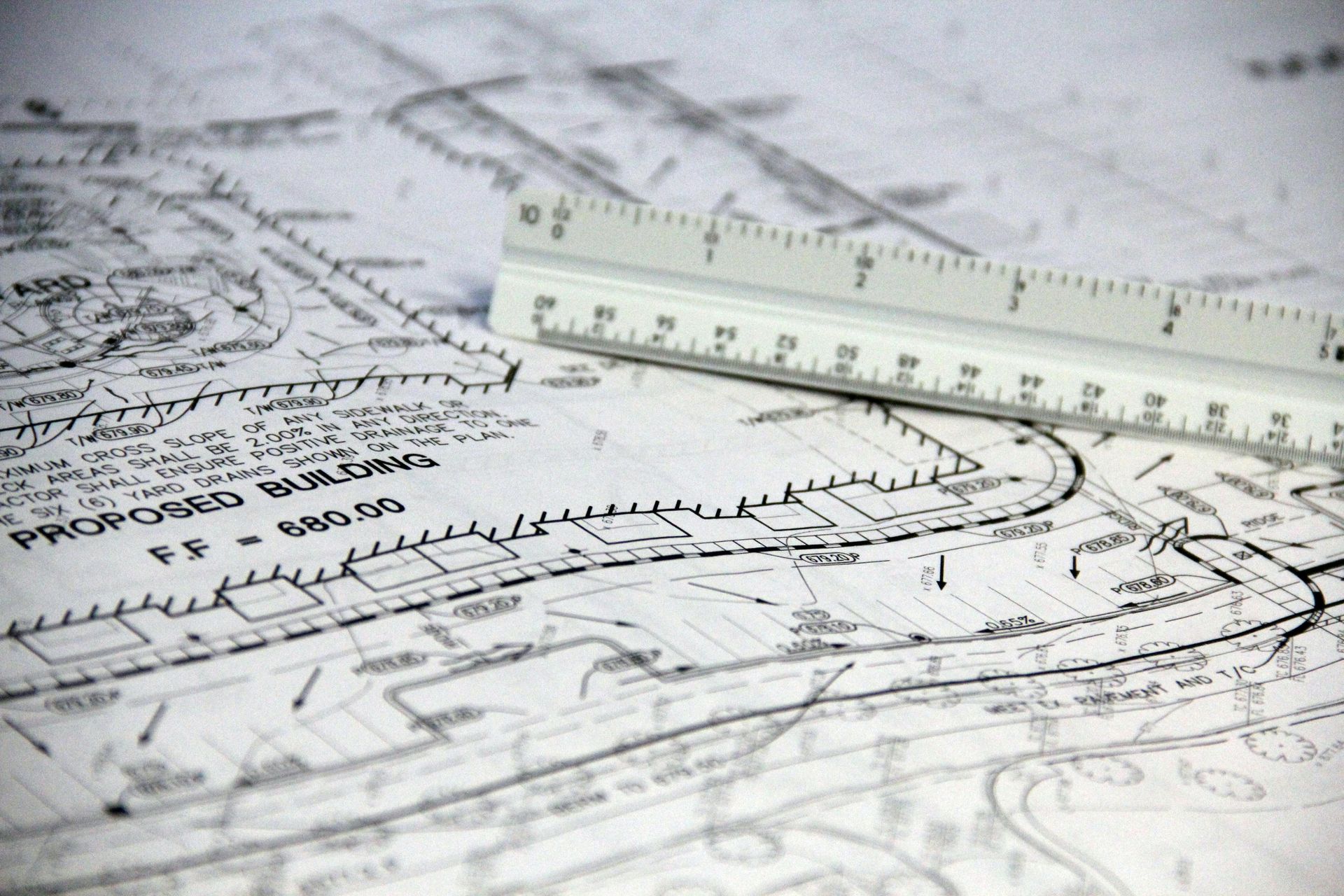
Municipal approval processes in Western New York involve multiple review stages, each examining different aspects of proposed development. Elliott-Architects handles site layout planning, zoning and land-use analysis, and permit application preparation for projects requiring coordination with local planning boards, zoning administrators, and building departments. Site plans address property setbacks, building placement, drainage patterns, vehicular access, and utility connections, presenting this information in formats that meet submission requirements for preliminary reviews and final permit applications.
Zoning analysis identifies which land uses are permitted on a property, what dimensional standards apply to building height and setbacks, and whether proposed development requires variances or special use permits beyond basic building permits. Permit application preparation includes assembling required documentation, completing municipal forms, and coordinating submission of engineered drawings when projects involve stormwater management or traffic impact. Coordination with local municipalities and agencies prevents delays caused by incomplete applications or misunderstanding of local procedural requirements that vary between jurisdictions.
Request a zoning evaluation to identify approval requirements and potential constraints before finalizing your development plans.
What Site Planning Prevents Long-Term
Site layout planning for residential and commercial developments positions buildings to comply with required setbacks while optimizing solar orientation, view corridors, and parking efficiency. Planning for drainage, access, and property setbacks during initial design stages prevents costly revisions when problems surface during permit review. Grading plans that direct stormwater away from buildings and toward appropriate discharge points address erosion potential and downstream impacts that trigger additional regulatory review in some municipalities.
Projects move through approval stages without repetitive resubmissions caused by missing information or noncompliance with dimensional standards. Developers receive construction authorization on schedules that align with financing timelines and construction season planning. Properties are developed in compliance with local regulations, avoiding enforcement actions or required modifications after construction completes.
Streamlined approval processes result from understanding what each reviewing authority examines and providing that information in initial submissions. Some projects require public hearings for variances or site plan approval, adding time to overall schedules that must be factored into development planning. Elliott-Architects tracks application status and responds to reviewer comments to maintain momentum through multi-stage approval processes common in Tully and neighboring communities.
What Property Owners Usually Ask
Developers and property owners frequently need clarity about timeline expectations, approval prerequisites, and how local regulations affect development potential.
What determines whether a project needs site plan approval beyond a building permit?
Many municipalities require site plan review for commercial development, multi-family residential projects, or any construction exceeding certain square footage thresholds, even when the proposed use is permitted by zoning.
How does land-use analysis affect development feasibility?
Zoning districts restrict which activities can occur on a property, permitted building sizes, and dimensional requirements like setbacks and lot coverage, all of which determine whether a proposed project can proceed as envisioned or requires variances.
When do stormwater management plans become required?
New York State regulations mandate stormwater pollution prevention plans for projects disturbing more than one acre, and some local municipalities have lower thresholds or additional requirements for properties in sensitive watersheds.
Why do approval timelines vary significantly between similar projects?
Public hearing requirements, completeness of initial submissions, and whether projects require variances or environmental review under SEQRA all affect how long municipal approvals take, with streamlined projects sometimes approved in weeks while complex cases extend over months.
What role does permit procurement assistance provide beyond preparing drawings?
Application assistance includes interpreting municipal requirements, coordinating consultant submissions, responding to reviewer comments, and tracking approvals through multi-department review processes that applicants unfamiliar with local procedures find challenging to navigate independently.
Elliott-Architects provides site planning and permit procurement services that address local regulatory requirements throughout Western New York. Contact our office to discuss approval pathways for your development project and establish a realistic timeline for municipal authorizations.